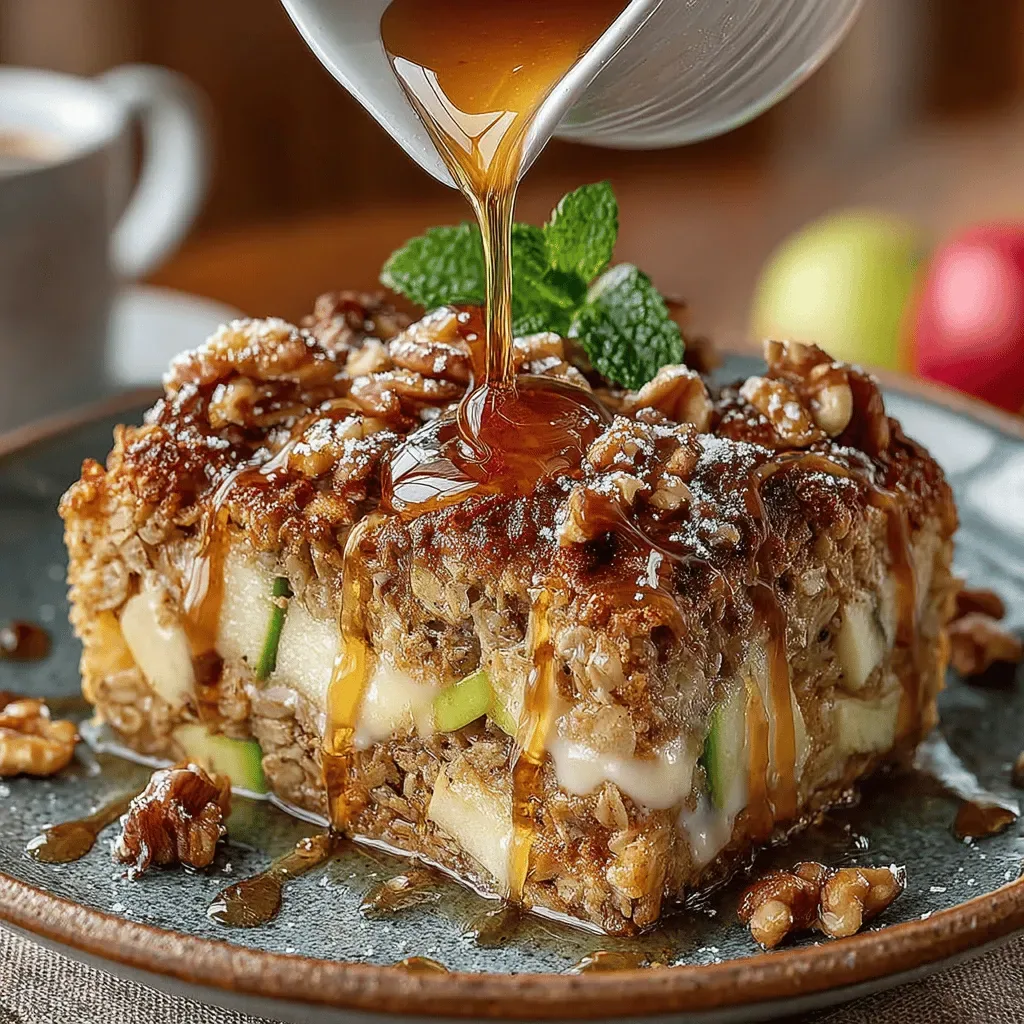
It was a crisp November afternoon when I first discovered the magic of Oklahoma Nut Candy, and I still remember the exact moment the kitchen seemed to transform into a warm, humming sanctuary. I was standing on a creaky wooden floor, the scent of pine drifting in from the open window, while my grandmother was pulling a heavy, caramel‑colored pot from the stove, its sides glistening with a buttery sheen. The moment I lifted the lid, a cloud of fragrant steam rose, carrying whispers of toasted peanuts, caramelized brown sugar, and a hint of vanilla that made my mouth water before I even tasted the first bite. That first spoonful was a revelation: a perfect balance of crunchy nuts and silky, sweet coating that melted on the tongue, leaving behind a lingering, buttery after‑taste that felt like a hug from the past.
What makes this candy truly special isn’t just the flavor; it’s the story it tells with every bite. Each nut is a tiny time capsule, recalling the fields of Oklahoma where pecan trees sway in the summer breeze and the simple joy of sharing a homemade treat with friends and family. The candy’s glossy exterior catches the light like polished amber, inviting you to break off a piece and hear that satisfying snap that signals perfect caramelization. Have you ever wondered why some homemade nut candies turn out too hard or too sticky? The secret lies in mastering the precise temperature and timing, a dance I’ve refined over countless family gatherings. And trust me, once you nail that balance, you’ll have a dessert that feels both nostalgic and utterly indulgent.
But here’s the thing: the recipe I’m about to share isn’t just a list of ingredients; it’s a roadmap to creating a memory that you can pass down through generations. I’ll walk you through every step, from selecting the freshest nuts at the farmer’s market to achieving that perfect glossy sheen that makes the candy look as good as it tastes. Along the way, I’ll sprinkle in a few secrets—like the one ingredient most people skip, which makes all the difference, and a trick for getting the perfect snap without burning the sugar. The best part? This candy is surprisingly simple, requiring only a handful of pantry staples and a bit of patience, yet the result feels like a gourmet confection from a high‑end bakery.
Imagine this: you’ve just finished a long day, the kids are tucked into bed, and you’re standing over a pot of bubbling caramel, the aroma filling every corner of the house. As the nuts tumble into the glossy mixture, you hear that gentle sizzle that promises a crunchy, sweet masterpiece. Soon, you’ll be pulling apart the glossy bars, watching the caramel set into a glossy, amber‑colored glaze that catches the kitchen light. Here’s exactly how to make it — and trust me, your family will be asking for seconds, and maybe even thirds, before the last piece is even served.
🌟 Why This Recipe Works
- Flavor Depth: The combination of toasted nuts with a caramel‑brown sugar base creates layers of flavor that evolve with each bite, from the initial buttery sweetness to the lingering nutty aftertaste.
- Texture Harmony: By carefully controlling the caramelization stage, you achieve a perfect crunch on the outside while keeping the interior tender and slightly chewy.
- Ease of Execution: Despite its impressive appearance, the recipe uses only a single pot and a handful of common pantry items, making it accessible for cooks of any skill level.
- Time Efficiency: With a total time of under an hour, you can whip up this treat for holidays, potlucks, or spontaneous cravings without spending the entire day in the kitchen.
- Versatility: The base recipe is a canvas—add dried fruit, spice it up with cinnamon, or drizzle chocolate on top for a personalized twist.
- Nutrition Boost: Nuts provide healthy fats, protein, and essential minerals, turning this candy into a more wholesome indulgence compared to pure sugar treats.
- Ingredient Quality: Using fresh, high‑quality nuts and real butter elevates the flavor profile, ensuring each bite feels luxurious.
- Crowd‑Pleasing Factor: Its sweet‑savory balance appeals to both kids and adults, making it a reliable hit at any gathering.
🥗 Ingredients Breakdown
The Foundation: Nuts & Butter
The heart of Oklahoma Nut Candy lies in the nuts themselves. I like to use a blend of 1 cup of roasted peanuts, ½ cup of pecan halves, and ½ cup of walnut pieces. This trio offers a delightful mix of textures: peanuts bring a robust, earthy crunch; pecans add a buttery, slightly sweet note; walnuts contribute a subtle bitterness that balances the sweetness. Choosing fresh, raw nuts and giving them a quick toast in a dry skillet releases their natural oils, intensifying flavor and ensuring each bite is aromatic. If you’re allergic to peanuts, you can swap them for almonds or cashews without losing the essential crunch.
Aromatics & Sweeteners
The sweet side of the candy is built on 1 cup of packed dark brown sugar, ½ cup of light corn syrup, and ¼ cup of unsalted butter. Brown sugar brings molasses‑rich depth, while corn syrup prevents crystallization, giving the candy a smooth, glossy texture. The butter adds a luxurious mouthfeel and a buttery aroma that melds beautifully with the toasted nuts. Tip: Use real butter, not margarine, because the milk solids contribute to the caramel’s complexity. For a richer flavor, you can substitute half of the butter with clarified butter (ghee), which raises the smoke point and adds a nutty nuance.
The Secret Weapons
A pinch of sea salt and a teaspoon of pure vanilla extract are the unsung heroes of this recipe. Salt amplifies the sweetness while cutting through the richness, creating a balanced flavor profile that feels sophisticated. Vanilla adds a fragrant, floral undertone that lifts the entire candy, making it taste more layered and less one‑dimensional. Pro tip: Use a high‑quality vanilla bean or a few drops of vanilla paste for a deeper, more authentic flavor.
Finishing Touches
A final dusting of flaky sea salt or a drizzle of melted dark chocolate can elevate the candy from delightful to unforgettable. The salt adds a pop of contrast, while chocolate introduces bitterness that pairs beautifully with the caramel sweetness. Choosing the right chocolate matters: aim for at least 60% cocoa solids to ensure the chocolate doesn’t become overly sweet. If you prefer a nut‑free version, omit the nuts and replace them with toasted coconut flakes or pumpkin seeds for a unique twist.
With your ingredients prepped and ready, let's get cooking. Here's where the fun really begins...

🍳 Step-by-Step Instructions
Begin by heating a large, heavy‑bottomed saucepan over medium heat. Add the mixed nuts and toast them, stirring constantly, until they turn a deep golden brown and release a nutty aroma—this usually takes about 5–7 minutes. The sound of the nuts sizzling is a good indicator that they’re beginning to release their natural oils. Pro Tip: Keep the nuts moving; they can go from perfectly toasted to burnt in a heartbeat.
While the nuts toast, measure out 1 cup of dark brown sugar, ½ cup of light corn syrup, and ¼ cup of unsalted butter. Once the nuts are toasted, carefully add the butter to the pan, allowing it to melt and coat the nuts evenly. The butter should sizzle gently—if it splatters aggressively, lower the heat a notch.
Stir in the brown sugar and corn syrup, and increase the heat to medium‑high. The mixture will begin to bubble vigorously; this is the caramelization stage. Keep stirring with a wooden spoon to prevent scorching, and watch for the mixture to turn a deep amber color, about 8–10 minutes. Here’s the thing: If you see the edges of the caramel turning dark too quickly, reduce the heat and continue stirring.
When the caramel reaches a thick, glossy consistency and you can see the bottom of the pan briefly when you lift the spoon, it’s time to add the vanilla and sea salt. The aroma will become intoxicating, filling the kitchen with sweet‑spicy notes.
💡 Pro Tip: Add the vanilla off the heat to preserve its delicate flavor.Now, gently fold the toasted nuts back into the caramel, ensuring each piece is thoroughly coated. You’ll hear a soft “crackle” as the nuts meet the hot syrup—a sound that tells you the coating is adhering perfectly. Spread the mixture onto a greased 9×13‑inch baking pan, using a spatula to press it into an even layer. Common Mistake: Pressing too hard can compact the candy, making it dense rather than light and crunchy.
Allow the candy to cool at room temperature for about 20 minutes, then transfer the pan to the refrigerator for an additional 30 minutes. This chilling step helps the caramel set, giving you clean, snap‑ready pieces. Did you know? The cooling process also allows the sugars to crystallize just enough to create that satisfying crunch.
Once fully set, use a sharp knife dipped in hot water to cut the candy into bite‑size squares or bars. Wipe the knife clean between cuts to maintain clean lines—no one wants sticky, uneven pieces. The result should be glossy, amber‑colored squares that glisten in the light.
Transfer the cut pieces onto a parchment‑lined tray and let them sit at room temperature for another 10 minutes before serving. This final resting period lets the candy reach the perfect texture—soft enough to bite through, yet firm enough to hold its shape. Go ahead, take a taste — you’ll know exactly when it’s right.
And there you have it! But before you dig in, let me share some tips that will take this from great to absolutely unforgettable...
🔐 Expert Tips for Perfect Results
The Taste Test Trick
Before you pour the caramel over the nuts, dip a small spoonful into cold water. If it forms a soft ball that holds its shape, the temperature is perfect (around 250°F/121°C). This quick test saves you from over‑cooking, which can turn your candy bitter. I once let the caramel creep past this point, and the whole batch tasted like burnt sugar—an unforgettable lesson!
Why Resting Time Matters More Than You Think
Allowing the candy to rest after cooling is crucial. The sugars need a few minutes to re‑align, creating that signature snap. Skipping this step results in a gummy texture that never quite sets. The best part? You can use this waiting time to prep a cup of tea or set the table, making the whole process feel effortless.
The Seasoning Secret Pros Won’t Tell You
A pinch of smoked sea salt, added just before the final stir, adds a subtle smoky undertone that elevates the caramel. It’s a secret I picked up from a pastry chef who swears by the contrast of sweet and smoky. Trust me on this one: the flavor depth it adds is nothing short of magical.
The Perfect Pan Choice
Using a heavy‑bottomed, non‑stick pan distributes heat evenly, preventing hot spots that can scorch the caramel. If you only have a thin skillet, keep the heat lower and stir constantly. I once tried this recipe in a flimsy pan and ended up with a burnt bottom—lesson learned!
Storing for Maximum Freshness
Once the candy is set, store it in an airtight container with a parchment sheet between layers. This prevents the pieces from sticking together and keeps the texture crisp for up to two weeks. If you notice any soft spots, a quick flash in the oven at 250°F for 5 minutes revives the crunch.
🌈 Delicious Variations to Try
One of my favorite things about this recipe is how versatile it is. Here are some twists I've tried and loved:
Maple‑Pecan Bliss
Swap half of the brown sugar for pure maple syrup and increase the pecan portion to ¾ cup. The maple adds a gentle, woodsy sweetness that pairs perfectly with the buttery pecans, creating a candy that feels like a fall harvest in every bite.
Spicy Chili Chocolate
Add a pinch of cayenne pepper to the caramel and drizzle melted dark chocolate over the set candy. The heat from the chili cuts through the sweetness, while the chocolate adds a luxurious bitterness, making this version a hit at adult gatherings.
Tropical Coconut Crunch
Replace the nuts with toasted coconut flakes and a handful of dried pineapple chunks. The coconut brings a chewy texture and a tropical aroma, while the pineapple adds a tangy contrast that brightens the overall flavor.
Coffee‑Infused Caramel
Stir in a tablespoon of finely ground espresso into the caramel just before adding the vanilla. The coffee notes deepen the caramel’s richness, turning the candy into a sophisticated treat for coffee lovers.
Nut‑Free Sunflower Delight
For those with nut allergies, substitute the nut mix with roasted sunflower seeds and pumpkin seeds. The seeds provide a comparable crunch, and the caramel’s flavor remains the star of the show.
📦 Storage & Reheating Tips
Refrigerator Storage
Place the candy in an airtight container lined with parchment paper. Store it in the refrigerator for up to two weeks. The cool environment preserves the candy’s crunch and prevents the caramel from becoming sticky. If you notice condensation, simply let the container sit at room temperature for a few minutes before serving.
Freezing Instructions
For longer storage, wrap individual pieces in wax paper and place them in a freezer‑safe zip‑lock bag. They’ll keep for up to three months. When you’re ready to enjoy them, move the candy to the refrigerator for an hour to thaw, then let them come to room temperature before serving to restore the ideal texture.
Reheating Methods
If your candy has hardened too much, a quick reheating in a 300°F oven for 5–7 minutes revives the glossy sheen and softens the interior without melting the nuts. The trick to reheating without drying it out? Add a splash of water to the pan and cover it loosely with foil; the steam keeps the caramel moist while it warms through.