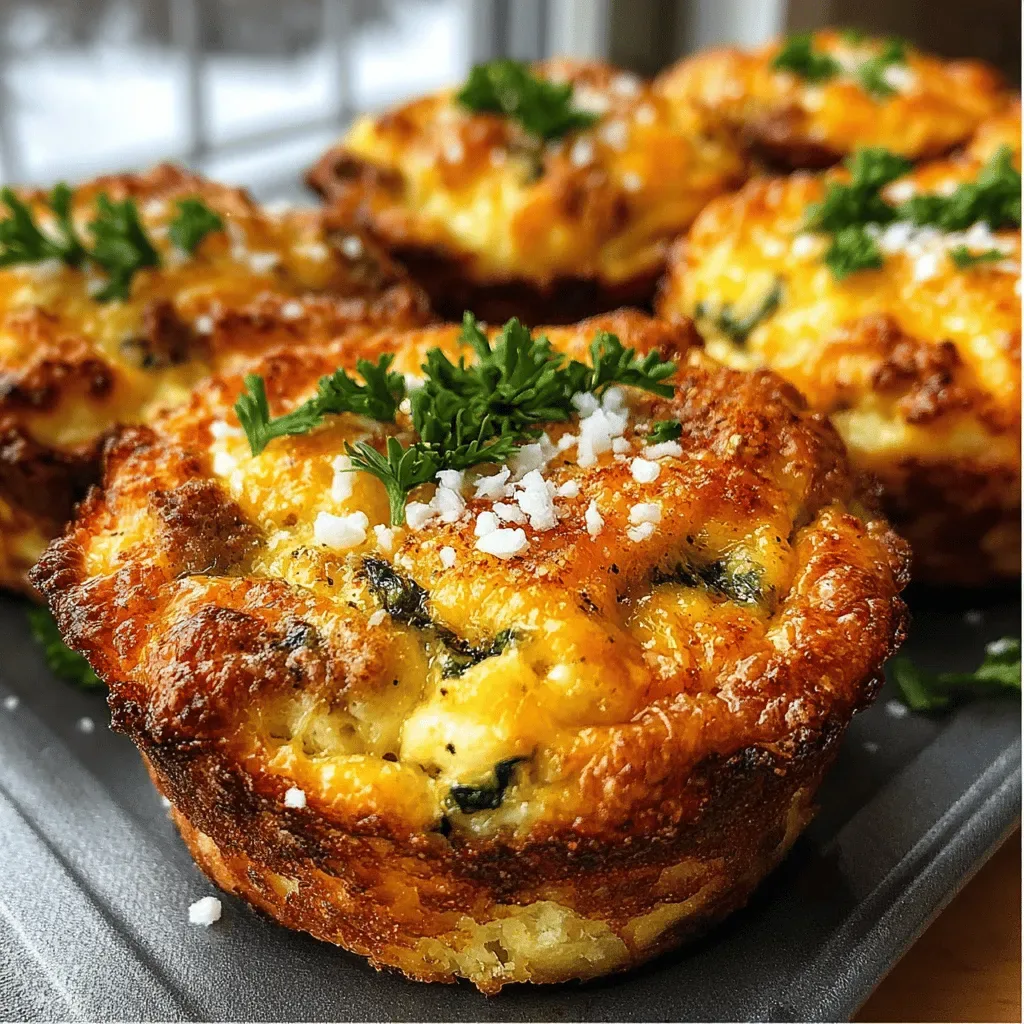
Zucchini scarpaccia isn’t just another veggie fritter; it’s a celebration of texture, flavor, and the simple elegance that Italian home cooking embodies. The grated zucchini provides moisture and a subtle sweetness, while the eggs bind everything together, creating a custardy interior that contrasts beautifully with a crisp, caramelized crust. Imagine cutting into a slice and hearing the faint sigh of a perfectly browned edge, followed by the bright burst of lemon zest and the earthy perfume of fresh parsley—each bite feels like a mini‑vacation to a Tuscan farmhouse. What makes this dish truly special is its versatility: serve it plain with a drizzle of extra‑virgin olive oil, pair it with a poached egg for extra richness, or stack it with smoked salmon for a luxe brunch twist.
But wait—there’s a secret technique that takes this already‑delicious pancake from good to unforgettable, and I’ll reveal it in step four of the cooking process. Have you ever wondered why the restaurant version always seems to have that extra‑crunchy edge while still staying moist inside? The answer lies in a tiny detail that most home cooks overlook, and once you master it, you’ll never look at a skillet the same way again. Trust me, the moment you hear that gentle sizzle and see the edges turn a deep, inviting gold, you’ll understand why this little trick is a game‑changer.
Now that you’re intrigued, let’s dive into the story behind each ingredient, the step‑by‑step method, and a handful of pro tips that will make your zucchini scarpaccia the star of any brunch table. Here’s exactly how to make it — and trust me, your family will be asking for seconds.
🌟 Why This Recipe Works
- Flavor Depth: The combination of lemon zest, fresh parsley, and Parmesan creates a layered flavor profile that is bright, herbaceous, and slightly salty, ensuring each bite is dynamic and memorable.
- Texture Contrast: Grated zucchini releases moisture that keeps the interior tender, while the flour‑egg matrix forms a crisp, golden crust that adds a satisfying crunch.
- Ease of Preparation: All ingredients are pantry‑friendly and require minimal chopping or special equipment, making the recipe approachable for cooks of any skill level.
- Time Efficiency: With just 15 minutes of prep and 30 minutes of cooking, you can have a restaurant‑quality brunch dish on the table before the morning rush ends.
- Versatility: This base can be dressed up with smoked salmon, feta, or even a dollop of ricotta, allowing you to customize the dish to suit any palate or occasion.
- Nutrition Boost: Zucchini adds fiber and vitamin C, while eggs contribute protein, making the pancake both satisfying and nutritionally balanced.
- Ingredient Quality: Using fresh, high‑quality zucchini and extra‑virgin olive oil elevates the overall taste, turning humble ingredients into a gourmet experience.
- Crowd‑Pleaser Factor: Its golden appearance and aromatic profile make it visually appealing, while the flavor is universally liked, ensuring it disappears quickly at any gathering.
🥗 Ingredients Breakdown
The Foundation
2 cups Grated Zucchini: Fresh zucchini brings moisture, a subtle sweetness, and a tender crumb to the scarpaccia. Choose medium‑sized, firm zucchinis with glossy skin; they’ll grate easily and hold their shape. If you’re cooking in the summer, you’ll find them at their peak flavor, but they’re available year‑round in most supermarkets. For a slightly earthier taste, you can leave the skin on, but be sure to wash them thoroughly.
1 cup All‑Purpose Flour: The flour provides the structure that holds the grated zucchini together, creating that satisfying bite. While you could substitute with whole‑wheat flour for a nuttier flavor, the texture will be a bit denser. I prefer a light sifted flour to avoid lumps and ensure a smooth batter.
Aromatics & Spices
1 tbsp Lemon Zest: The zest adds a bright, citrusy spark that cuts through the richness of the cheese and oil. Use a microplane to get the finest, most aromatic zest without the bitter white pith. If you’re out of fresh lemons, a pinch of lemon peel powder works in a pinch, but the fresh zest is unbeatable.
1 cup Chopped Fresh Parsley: Parsley injects a fresh, herbaceous note that balances the richness of the eggs and cheese. When selecting parsley, look for deep green leaves without dark spots; they’ll retain flavor and color. You can also experiment with basil or cilantro for a different twist, but parsley stays true to the traditional Italian profile.
The Secret Weapons
3 large Eggs: Eggs act as the binding agent, giving the scarpaccia its custardy interior and helping it rise slightly. For the fluffiest result, whisk the eggs until they’re light and airy before folding them into the batter. If you’re avoiding eggs, a mixture of flaxseed meal and water can mimic the binding, though the texture will change.
1 cup Whole Milk: Milk adds moisture and a gentle richness, ensuring the pancake stays tender. Whole milk works best because its fat content contributes to a silkier mouthfeel, but you can substitute with oat or almond milk for a dairy‑free version.
Finishing Touches
1/2 tsp Sea Salt: Salt enhances all the flavors, from the zucchini’s natural sweetness to the Parmesan’s umami depth. Use a fine sea salt for even distribution; a pinch too much can make the pancake overly salty.
3 tbsp Extra‑Virgin Olive Oil: Olive oil is the cooking medium that imparts a fruity, peppery note while giving the crust its golden hue. Choose a robust, cold‑pressed oil for the most flavor, and avoid the light “olive oil” that can taste bland.
1/2 cup Grated Parmesan Cheese: Parmesan introduces a salty, nutty depth and helps form that coveted crispy edge. Freshly grated cheese melts more evenly than pre‑shredded varieties, which often contain anti‑caking agents that can affect texture.
With your ingredients prepped and ready, let's get cooking. Here’s where the fun really begins, and I’ll walk you through each step so you can master the perfect zucchini scarpaccia every single time.

🍳 Step-by-Step Instructions
-
Begin by washing the zucchini thoroughly under cold water, then trim off the ends. Grate the zucchini using the large holes of a box grater, allowing the bright green shreds to fall into a large bowl. Once grated, sprinkle the sea salt over the zucchini and let it rest for about 10 minutes; this draws out excess moisture and begins to flavor the vegetable. After the waiting period, place a clean kitchen towel over the bowl and gently squeeze to remove as much liquid as possible—this step is crucial for achieving a crisp crust. Finally, set the drained zucchini aside while you move on to the next stage.
-
In a separate medium bowl, whisk together the flour, grated Parmesan, and lemon zest until they are evenly combined. The zest’s aromatic oils will coat the dry ingredients, ensuring every bite gets a hint of citrus. Add the sea salt now if you haven’t already mixed it with the zucchini; this guarantees even seasoning throughout the batter. Once the dry mix is ready, create a well in the center and set it aside for the wet ingredients. This simple organization saves time and prevents lumps.
-
Crack the three large eggs into a third bowl, then whisk them vigorously until the yolks and whites are fully integrated and slightly frothy. Pour in the whole milk and continue whisking until the mixture is smooth and glossy. The goal here is to incorporate air, which will help the scarpaccia rise just enough to become airy inside. Now, slowly drizzle in the extra‑virgin olive oil while whisking, creating an emulsion that adds richness without making the batter greasy. Set this wet mixture aside for a moment.
-
Combine the wet and dry mixtures by pouring the egg‑milk‑oil blend into the flour‑cheese bowl, stirring gently with a rubber spatula. When the batter looks cohesive, fold in the drained grated zucchini and chopped parsley, ensuring everything is evenly distributed. Here’s the secret: Let the batter rest for 5 minutes before cooking; this allows the flour to hydrate fully, resulting in a tender interior and a crust that crisps up beautifully. Trust me on this one—rushing this step leads to a denser, less airy pancake.
💡 Pro Tip: If you’re short on time, cover the batter with plastic wrap and let it rest while you preheat the skillet; the rest will happen simultaneously. -
Heat a large non‑stick skillet over medium‑high heat and add a generous drizzle of olive oil, swirling to coat the surface. When the oil shimmers and a tiny droplet of water sizzles upon contact, you know the pan is hot enough. Using a ladle, pour a heaping portion of batter into the skillet, spreading it gently with the back of the ladle to form a round, about ½‑inch thick pancake. Listen for the gentle hiss as the batter meets the pan; this is the sound of flavor forming.
-
Cook the scarpaccia for 4‑5 minutes, or until the edges turn a deep golden brown and you see tiny bubbles forming around the perimeter. Here’s where patience really pays off — I learned that the hard way! Resist the urge to flip too early; the bottom needs that caramelized crust to hold everything together. When the underside is perfectly crisp, carefully slide a thin spatula underneath and flip the pancake, cooking the other side for another 3‑4 minutes until it matches the first side’s color and aroma.
⚠️ Common Mistake: Overcrowding the pan leads to steaming instead of browning, resulting in a soggy scarpaccia. Cook one or two pancakes at a time for the best crust. -
Once both sides are beautifully browned, transfer the scarpaccia to a paper‑towel‑lined plate to absorb any excess oil. This step keeps the crust crisp while preventing greasiness. While the pancake rests for a minute, the residual heat continues to set the interior, ensuring a perfect bite. If you’re making multiple pancakes, keep the finished ones warm in a low oven (about 200°F) while you finish the batch.
-
Serve the scarpaccia hot, drizzled with a little extra‑virgin olive oil and a sprinkle of fresh parsley for a pop of color. For an elevated brunch, top each slice with a poached egg, a pinch of smoked paprika, and a dash of cracked black pepper. The yolk will melt into the tender interior, creating a luxurious sauce that marries the lemon, cheese, and zucchini flavors. And there you have it! But before you dig in, let me share some tips that will take this from great to absolutely unforgettable…
🔐 Expert Tips for Perfect Results
The Taste Test Trick
Before you pour the batter into the skillet, take a tiny spoonful and fry it in a separate corner of the pan. This mini‑test lets you gauge the seasoning, the crust’s color, and the batter’s consistency. If it tastes a bit flat, add a pinch more salt or a dash of lemon zest; if it’s too thick, stir in a splash of milk. This proactive step saves you from a batch that needs correction later on.
Why Resting Time Matters More Than You Think
Allowing the batter to rest for 5‑10 minutes after mixing gives the flour time to fully absorb the liquid, creating a smoother texture. During this pause, the gluten relaxes, preventing the pancake from becoming rubbery. I once skipped this rest and ended up with a dense, chewy scarpaccia that felt more like a pancake gone wrong. Trust the rest, and the result will be airy yet sturdy.
The Seasoning Secret Pros Won’t Tell You
A pinch of smoked sea salt added at the end of cooking introduces a subtle, smoky depth that pairs beautifully with the Parmesan. This tiny tweak elevates the flavor profile without overpowering the fresh zucchini. Professionals often keep this secret in the pantry, using it sparingly to finish dishes just before plating.
Cooking Temperature Mastery
Medium‑high heat is ideal, but every stove is different. If you notice the edges browning too quickly, lower the heat slightly and cover the pan for a minute to let the interior set without burning the crust. Conversely, if the pancake looks pale after several minutes, increase the heat a touch to encourage caramelization. Adjusting the flame is an art, and mastering it makes all the difference.
The Power of Fresh Herbs
Fresh parsley adds a bright, peppery note that dried herbs simply cannot replicate. I always add the parsley at the very end of mixing to preserve its vibrant color and flavor. If you’re adventurous, try a mix of basil and mint for a Mediterranean twist that brings a fresh, unexpected lift.
🌈 Delicious Variations to Try
One of my favorite things about this recipe is how versatile it is. Here are some twists I've tried and loved:
Cheesy Goat Cheese & Sun‑Dried Tomato
Stir in ¼ cup crumbled goat cheese and 2 tablespoons chopped sun‑dried tomatoes into the batter for a tangy, Mediterranean flair. The goat cheese melts into creamy pockets, while the sun‑dried tomatoes add a concentrated sweetness that balances the lemon zest.
Spicy Chili‑Infused
Add a finely diced red chili and a pinch of smoked paprika to the mix for a gentle heat that wakes up the palate. This version is perfect for brunches where you want a little kick without overwhelming the delicate zucchini flavor.
Sweet Corn & Basil
Swap half of the zucchini for fresh sweet corn kernels and replace parsley with chopped basil. The corn adds a burst of sweetness, and basil brings a fragrant, slightly peppery note that pairs beautifully with the Parmesan.
Smoked Salmon & Dill
Top each slice with a thin layer of smoked salmon, a dollop of crème fraîche, and a sprinkle of fresh dill. The salty fish and creamy topping transform the pancake into an elegant brunch centerpiece.
Vegan Coconut‑Milk & Nutritional Yeast
Replace the eggs with a flax‑egg (1 tbsp ground flaxseed + 3 tbsp water) and swap milk for coconut milk. Use nutritional yeast instead of Parmesan for a cheesy, umami flavor that keeps the dish completely plant‑based.
📦 Storage & Reheating Tips
Refrigerator Storage
Allow the scarpaccia to cool completely, then place the slices in an airtight container lined with parchment paper. Store in the refrigerator for up to 3 days. To keep the crust from getting soggy, place a paper towel on top before sealing the container.
Freezing Instructions
For longer storage, stack the cooled pancakes between sheets of wax paper and seal them in a freezer‑safe zip‑lock bag. They freeze beautifully for up to 2 months. When you’re ready to enjoy them, move the desired number to the fridge to thaw overnight.
Reheating Methods
To reheat without drying out, lightly brush each side with a drizzle of olive oil and warm them in a preheated skillet over medium heat for 2‑3 minutes per side. Alternatively, use a 350°F oven for 10 minutes, adding a splash of milk or a few drops of water to the pan to create steam that keeps the interior moist while the crust regains its crunch.